Home | Newsroom |    Français    English    Russian    Japanese    Chinese


Sorosoro, so the languages of the world may prosper!


Le programme Sorosoro : les langues à l’ère numérique

An answer: Sorosoro, so the languages of the world may prosper!

News from the project

June 2, 2009: Screening of the movie “One of Many”

The Sorosoro program and the “Musée du Quai Branly” present the movie “One of Many” from Jo Béranger and Doris Buttignol, on June 2, 2009.

“One of Many” won the Public Prize and the Best full-length documentary at the Film Festival of Créteil (France) in 2004.

June 2009: Video of Rozenn Milin

Rozenn Milin,  Sorosoro Program Director and General Delegate for the preservation of cultural diversity, describes what has been done during Sorosoro first year.

See the video…

June 2009: Pictures from the second trip to Gabon

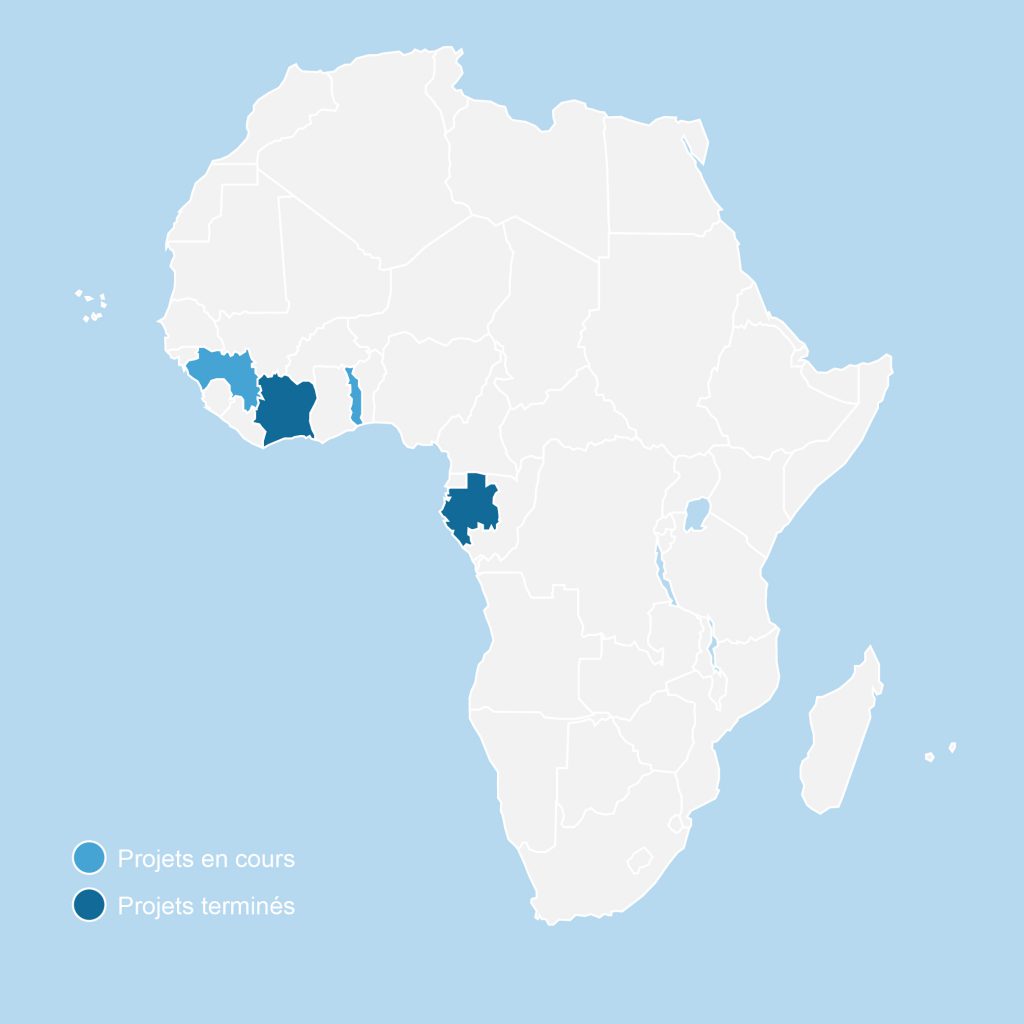
From May 19 to June 18, 2009, Luc-Henri Fage, head cameraman for Sorosoro, went to Gabon to safeguard two languages: the akele language and the punu language.

See some pictures from this trip

June 2009: Pictures from the first trip to Guatemala

On February 2009, head cameraman José Reynès headed for Guatemala. The goal was to film two maya languages: Tektiteko and Kaqchikel.

Find below some pictures from this trip

February 23, 2009: SOAS: Endangered Languages Week 2009

There are approximately 7,000 languages spoken today and half of them are under threat from larger languages. Endangered Languages Week 2009 presents a variety of displays, discussions, films, and workshops to provide a view of what is happening to languages and what is being done to document, archive and support endangered languages at HRELP and around the world.

Read more…

February 21, 2009: Sorosoro at the UNESCO to support linguistic diversity

Next February 21st, the UNESCO celebrates two events: the tenth International Mother Language Day and the end of the International Year of Languages. That’s why the UNESCO organizes conferences and meetings on February 18th and 20th to enhance actions in favor of linguistic and cultural diversity. Among its guests during these days is Rozenn Milin, Sorosoro Program Director at the Fondation Chirac.

February 2009: Pictures from the first trip to Gabon

On January 25, 2009 began the program “Sorosoro, so that the languages of the world may prosper!”: a first team went to Gabon to shoot two languages. Footage had been gathered in Libreville (Gabon) by chief camerawoman Muriel Lütz and Patrick Mougiama Daouda, linguist from the University of Omar Bongo and the University of Lyon 2.

See some pictures from this first trip

February 14, 2009: Sorosoro with the Mayans

After the first film crew returned from Gabon, José Reynès, another head cameraman headed for Guatemala on February 14, 2009. Perfectly fluent in Spanish, he will be assisted by two Guatemalan linguists, Juliana Sis’Iboy and Juventino Perez, from the OKMA Centre (Oxlajuuj Keej Maya’ Ajtz’iib’), specialized in documenting Mayan languages.

Read more…

January 25, 2009: Sorosoro’s first film shoot!

Lights, Camera, Action! On January 25, Rozenn Milin, the director of “Sorosoro, so that the languages of the world may prosper!” launched the first phase of her program to compile a Digital Encyclopedia of Languages. Footage will be gathered in Libreville (Gabon) by chief camerawoman Muriel Lütz and Patrick Mougiama Daouda, linguist from the University of Omar Bongo and the University of Lyon 2.

Read more…

November 28, 2009: Sorosoro in Action / Conclusion of the First Meeting of the Sorosoro Scientific Council

November 28, the Scientific Council of the program “Sorosoro, so that the languages of the world may prosper!” met for the first time. This Council validated the launch of the program’s first phase. The heritage axe collects and preserves threatened languages and cultures. Once this first step is accomplished, it will be possible to set up the other two phases of the program: mass diffusion and popularization on the Internet, then support for the indigenous communities.

Read more…

November 28, 2009: The First Meeting of the Sorosoro Scientific Council

Compile a Digital Encyclopedia of Languages, create an online Language Television, and contribute to the vigor and development of communities whose language and culture are in danger: these three axes of the program “Sorosoro, so that the languages of the world may prosper!” cannot be undertaken without the expertise of men and women in the field. Over the past few weeks, Rozenn Milin, director of the Sorosoro program, has constituted a scientific committee that will meet for the first time on November 28, 2008.

Read more…

Why must the world’s languages be protected?

  • Because the death of a language signals the loss of traditional knowledge that is only transmitted orally: an irreplaceable loss of heritage;
  • Because the death of a language enshrines the relegation of fragile populations: it involves a social collapse; because this social collapse is an injustice containing within it the seeds of violence;
  • Because the death of a language impoverishes cultural diversity, which is inseparable from biodiversity.

It is now known that before the European conquest, Amerindians mastered the art of preparing their soils with micro-organisms that naturally regenerated the soil, thereby ensuring its continued fertility.
Through their methods of nurturing the forests, these same Amerindians, whose knowledge is now lost, contributed to stabilizing the world’s climate.

Culture is an essential component of sustainbale developement

For all these reasons, The UN considers the issue of saving languages to be a strategic one.
2008 has been proclaimed the “International year of languages.”
The Fondation Chirac answers to the call made by the UN and UNESCO so that the languages of the world may prosper.

Language is not only an instrument of communication. It defines culture, nature, history, humanity and ascendance.
The preservation of vanishing languages is vital for the cultural richness of the legacy of our human patrimony. Language sustains traditions, instills knowledge of and respect for our past and the planet on which we live and links communities across borders and the ages.

“The UN works for Cultural Diversity” campaign

The world of languages today and what it could be in 2100!

Approximately 6,000 languages are spoken on earth but half will die during this century. The death of these languages leads to the loss of traditional knowledge which is an irreplaceable loss of human heritage.

See the map

The Sorosoro Program

Named after an Araki word - a language now spoken by only eight people in Vanuatu, a group of Pacific islands - meaning “breath, speech, language,” the SOROSORO program resolutely fits within the scope of the struggle to defend cultural diversity recognized and taken up by UNESCO as a necessary condition for development and the maintenance of peace.

For the Fondation Chirac, it essentially concerns an effort to participate in the race to safeguard endangered languages, making use of digital technologies now available in collaboration with international researchers who are already engaged in the effort.

Download the brochure of Sorosoro (pdf)

The Program’s primary development goals include:

  • A digital encyclopedia of languages, an audiovisual database on threatened languages and cultures comprised of images and sound recorded specifically for the database or collected across the globe, then saved for posterity according to an ad hoc digitization and preservation program;
  • A web-based television channel dedicated to languages with webcasts of short films, intended for the general public, based on the sounds and images collected for the database;
  • The restitution of data to the communities concerned, which will enable them to take full ownership of them, namely for purposes of educating children in their native tongues and to facilitate transmission of knowledge of their traditional culture.

What links all humanity is not a unified language and culture, but rather the effort all people must make to communicate their language, beliefs or culture to others. Thus, it is precisely through the act of communicating across and beyond our differences that we build human solidarity. Because Sorosoro is an open undertaking founded on the principle of sharing, the program seeks to foster a dynamic renewal of diversity, because it both a prerequisite for sustainable development and a promise of peace.


Rozenn Milin
Sorosoro Program Director

Born in Brittany, she became an early militant for the defense of the Breton language. Historian by training, her research focused notably on the Celts of ancient times (The Celts and Death in Ancient Times according to Greek and Latin texts and Human sacrifice and the Celts of Ancient Times).
Journalist, radio and television newscaster, producer, director and actress, she has worked for FR3, the BBC, HTV, S4C and Arte.
From 1998 to 2003, she developed, launched and then directed TV Breizh (TF1 Group).
From 2004 to 2006, she was on mission at the French Embassy in Beijing, in charge of cinema, television, radio and new technologies.
Since early 2007, she has been directing her energies to designing the Sorosoro program, which she is now implementing for the Fondation Chirac.
Contact: rozenn.milin{@}fondationchirac.eu


Fondation Chirac © 2009 - Design : Kinoa

Contact us | Legal |